Blacksmiths, Brewing and other Magic
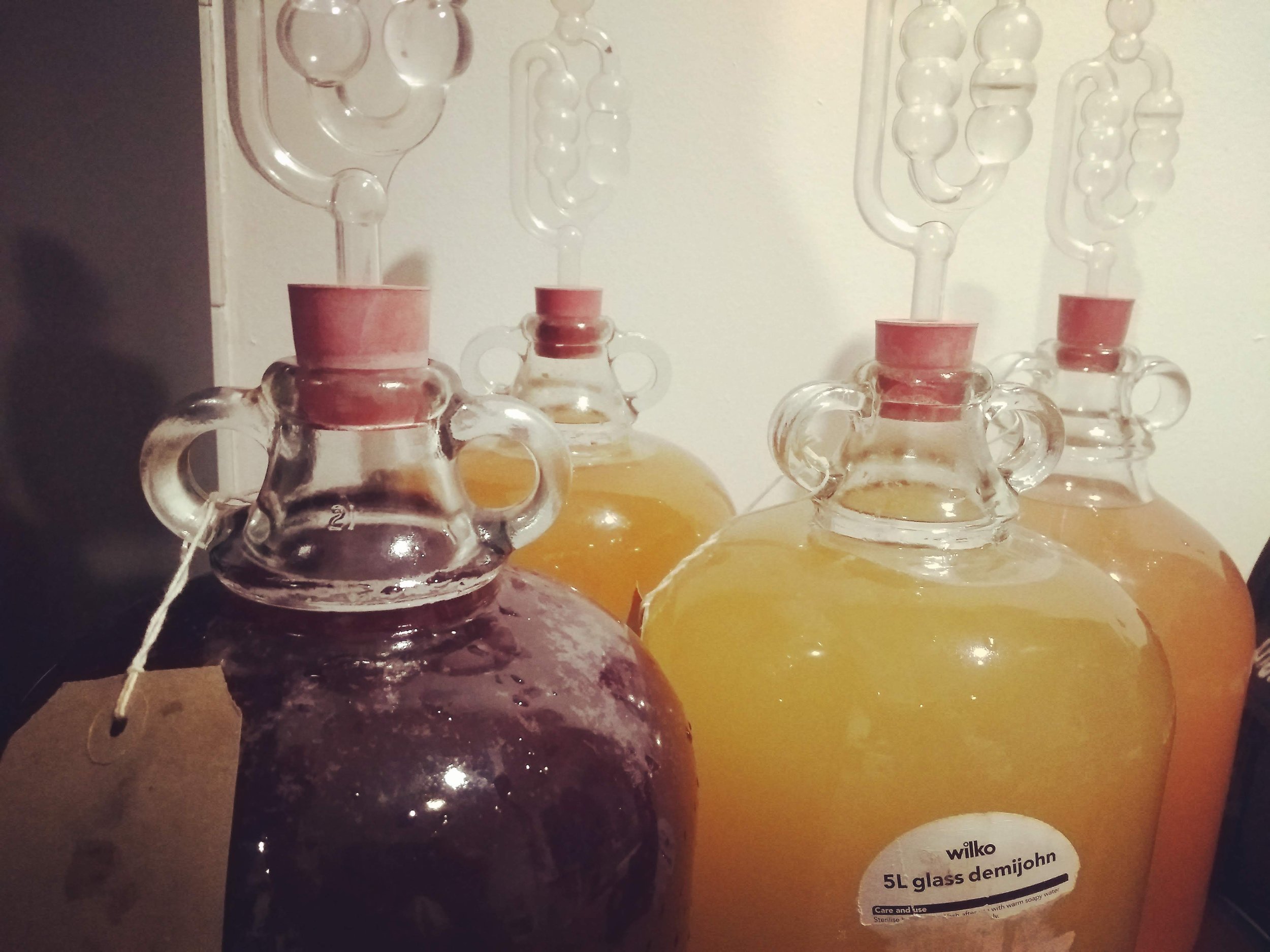
I remember my first time trying home-brewing. Filling a demijohn with yeast and the weird soup of elderberries I’d gathered in surprisingly lush hidden corners of London. That first evening was fascinating, watching the flurry of tiny bubbles rising up the sides of the jar and knowing that somewhere in there a bunch of microbes were having the absolute time of their lives.
It was hard to imagine people, in centuries past, being able to see this as anything other than an act of magic (whatever actual name they put on it). You do a set of things and then, inexplicably, something tangibly happens and the thing you’ve created changes itself. Of course nowadays we know about the microbial action of yeast that digests sugars into ethanol, and the importance of things like careful sterilisation, the use of phosphates to control the fermentation process and taking density readings to calculate the alcohol content…but is it any less magical?
Does something cease to be magic when we can give it another explanation?
Blacksmithing is a famous historical example of a craft that was considered, if not directly magic, close enough to it that the old legend goes that blacksmiths were the only people who could trade with the devil on an even footing. For centuries blacksmiths likely had little understanding of the crystalline structure and carbon content of steel; but they were nevertheless crafty enough to understand how to use it, the differences in heat treating and quenching that make the difference between a knife that will hold an edge without blunting versus one that will shatter the first time you try to use it.
So what makes the difference between magic and a craft? Is magic something that has to be fundamentally inexplicable? Do you need to have an understanding of the mechanism to make something mundane?
